
If you’ve been told dental bone grafting is in your future, it’s normal to have questions. A bone graft is a common procedure used to rebuild and strengthen the jawbone, often before dental implants or after tooth loss. At Ridgewood Dental, our Hobart, IN, family dentist performs bone grafting in-house, which means you can receive personalized care from a team you already know and trust.
To help you feel better informed, we’ve answered some of the most common questions about dental bone grafting below, including why it’s needed, what the procedure involves, and how it helps support long-term oral health.
What Is Dental Bone Grafting?
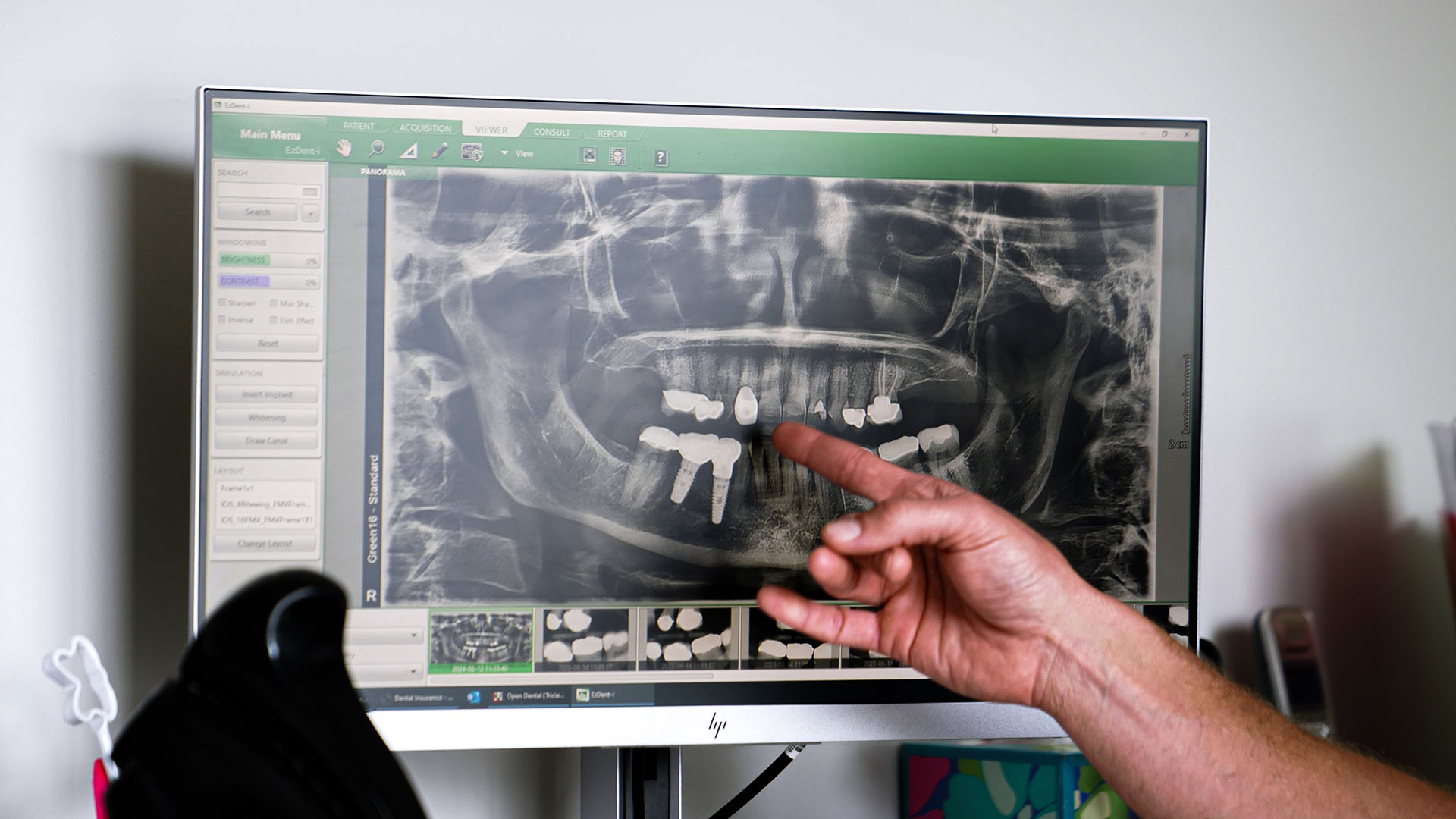
Dental bone grafting is a form of oral surgery that rebuilds or replaces missing bone in the jaw. A dental bone graft adds volume and density where bone has been lost, creating a stable foundation for future treatments. It is often recommended before dental implants are placed.
Why Might I Need a Bone Graft?
You may need a bone graft if your jawbone has deteriorated due to tooth loss, advanced gum disease, dental injury, or long periods without stimulation. , for instance, ensures the implant has enough support to stay secure over time.
Who Is a Good Candidate for Dental Bone Grafting?
Dental bone grafting candidates typically include adults with insufficient jawbone density who want to restore function or prepare for the implant process. A thorough evaluation by our local bone grafting dentist will determine if the procedure is necessary in your case.
What Are My Dental Bone Graft Options?
The comes in 4 main varieties which include:
- Socket Preservation
- Ridge Augmentation
- Sinus Lift
- Periodontal Bone Graft
Ultimately, our dentist will need to evaluate your jawbone inside our Hobart, IN, dental office to determine what type of bone graft you need most. If you’re someone who has undergone a tooth extraction, we’ll likely recommend socket preservation and place bone material in the open socket soon after the tooth is pulled.
For those interested in dental implants, that’s where a ridge augmentation can come into play. This procedure builds up the jawbone with respect to width and volume so it can provide a stable foundation for the titanium post.
As far as the other two types, a sinus lift may be necessary if the upper back teeth are missing with insufficient bone quality or quantity and a periodontal bone graft repairs damage done by gum disease. Each procedure may differ in terms of its details but all dental bone grafts work to restore the jaw and make it stronger.
What Happens During the Dental Bone Grafting Procedure?
During the dental bone grafting procedure, the graft material is placed in the area where bone is missing. The site is then secured to allow the bone to heal and integrate. Over time, your body replaces the graft with natural bone, thus strengthening the jaw.
Is Bone Grafting Done After Tooth Extraction?
Yes, a bone graft after tooth extraction is common. Placing a graft immediately after removing a tooth helps preserve the jawbone and prevent shrinkage. This can make future treatments, like single-tooth implants, more predictable.
How Long Does Recovery After a Dental Bone Graft Take?
Recovery after a dental bone graft varies, but most patients return to normal activities within a few days. Full healing of the grafted area can take several months, depending on the extent of the procedure. Our dentist will monitor healing before moving forward with restoration.
Is Dental Bone Grafting Painful?
Most patients report minimal discomfort during and after the dental bone grafting. Local anesthesia and dental sedation options help ensure comfort during oral surgery. Mild soreness afterward is common and usually manageable with simple care.
How Does Bone Grafting Support Dental Implants?
Bone grafting for dental implants creates a strong, stable base that allows implants to integrate properly with the jawbone. Without enough bone density and volume, implants may fail. Dental implant bone grafts improve long-term success and help restore both function and appearance.
Schedule a Consultation Today
We recommend speaking with our bone grafting dentist in Hobart, IN, if you feel your smile may benefit from this type of procedure. Call Ridgewood Dental today at (219) 947-2922 or fill out our online contact form to request an appointment.