

The first time you bite into a sandwich with new dentures, it can feel like someone else's teeth are in your mouth. That feeling is normal, and for most people it fades with a little time and practice.
Our team makes full and partial dentures for patients who have lost one tooth or many. Our Hobart, IN dentist checks the fit and helps you through the early weeks.
Here's what you need to know about adjusting to dentures.

How Long Is the Adjustment Period?
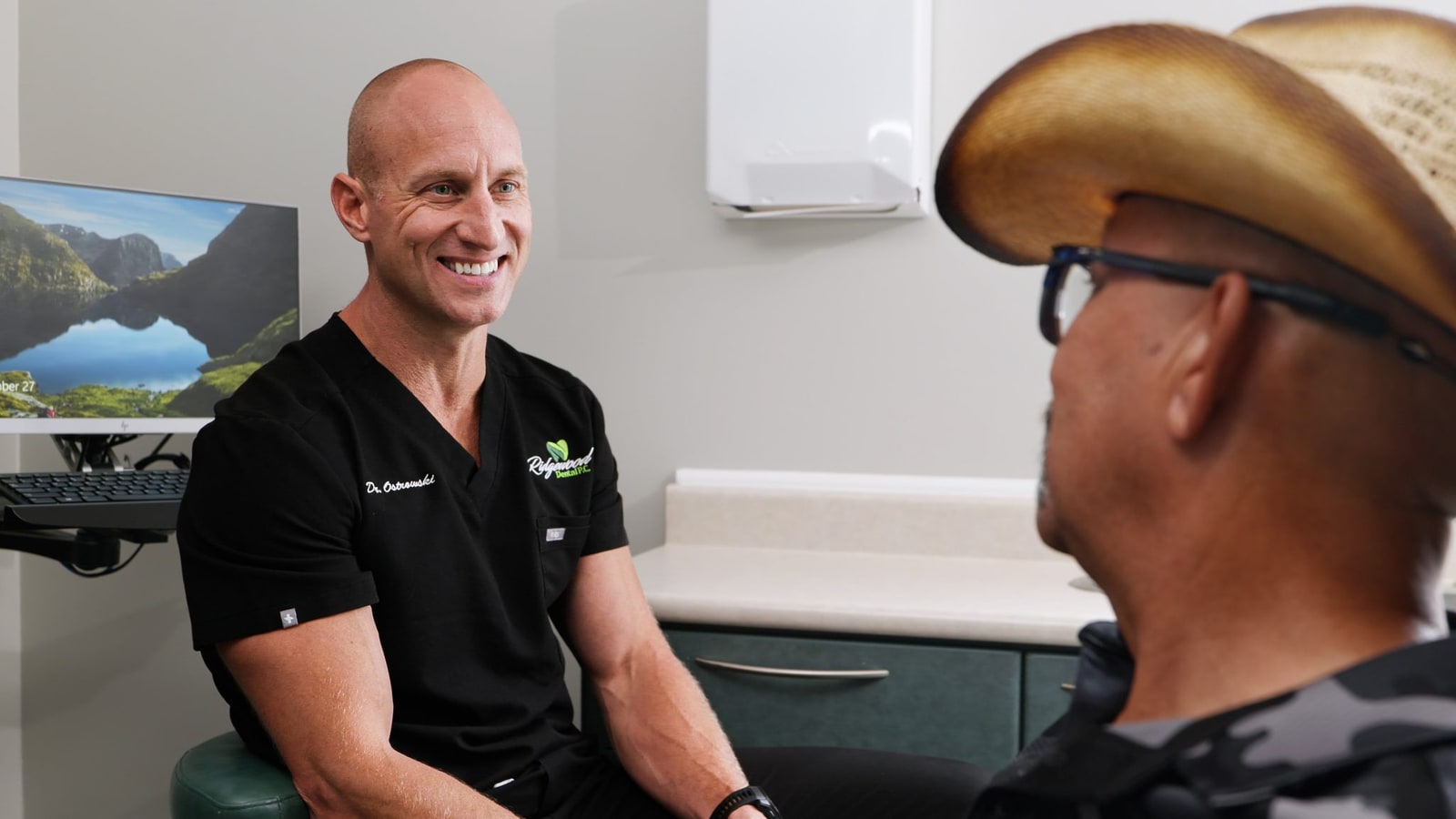
Most people feel at home in their dentures within a few weeks. The says new dentures may feel awkward for a few weeks while the cheek and tongue muscles learn to keep them in place.
Some people need longer. The that getting used to dentures can take weeks or sometimes months, and you may need several fit adjustments in the first couple of weeks.
What the First Few Days Feel Like
Early on, your dentures may feel bulky or a bit loose. Minor soreness and extra saliva are common too, and both usually settle as your mouth gets used to the appliance.
A full denture often takes longer to get used to than a partial. It covers more of your gums, and your mouth has more to learn.
Eating With New Dentures
Start small and soft. The suggests soft, nonsticky foods, small pieces, and chewing slowly with both sides of your mouth.
It also warns that small crunchy foods like popcorn can slip under a denture and hurt your gums. Hot drinks deserve care as well, since dentures can make heat harder to feel.
Speaking With New Dentures
Some words may sound a little different for the first days. Your tongue is relearning where to go, and the denture may shift slightly as you talk.
Reading out loud at home is an easy way to practice. Speak slowly at first, and most people find their speech sounds like their own again within a short time.
When a Sore Spot Needs a Visit
A little tenderness is expected, but a spot that rubs every day is a sign the fit needs work. Denture adjustments are a normal part of the process, and small changes to the base can relieve pressure on your gums.
Don't try to file or bend a denture at home. Call our office instead, and we'll check the fit.
Giving Your Gums a Rest
Your gums carry the load for a full denture, so they need a break. Our restorative dentistry team recommends taking your dentures out at night and soaking them in water so they don't dry out.
Brush your gums, tongue and the roof of your mouth each day. Healthy tissue gives your dentures a steadier base.
Is a Different Option Worth a Look?
If loose dentures still bother you after the adjustment period, ask about other choices. Our posts on implants versus dentures and dental implant candidates walk through how they compare.
If you still have damaged teeth to replace, it helps to know who benefits from extraction before you plan new dentures.
Frequently Asked Questions
Is it normal to have more saliva with new dentures?
Yes, extra saliva is a common early side effect of new dentures. Your mouth reacts to the appliance as something new, and the flow usually returns to normal as you get used to wearing it.
The American Dental Association notes that saliva flow may increase for a while and that this should go away as your mouth adjusts.
Should I use denture adhesive while I get used to new dentures?
Adhesive can help some people feel more secure, but it should not cover up a poor fit. If you need more and more of it to keep a denture in place, the fit likely needs to be checked.
The ADA suggests following the product directions exactly and choosing an adhesive with the ADA Seal of Acceptance.
Do immediate dentures take longer to get used to?
Immediate dentures often need more changes along the way. They go in the same day your teeth are removed, and your gums and jaw keep changing shape as they heal.
The NHS explains that immediate dentures often need to be adjusted or replaced up to a year later. A reline or a new denture may be part of the plan.
Does Ridgewood Dental make both partial and full dentures?
Yes, Ridgewood Dental offers both partial and full dentures, along with other tooth replacement options. A partial denture fills in one or several missing teeth, while a full denture replaces a whole upper or lower arch.
Dr. Ostrowski can look at your teeth and gums and talk with you about which type fits your needs and budget.
Can I get a denture fit check after work in Hobart?
Yes, our Hobart office keeps some later hours that help with follow-up visits. On Tuesdays we are open from noon to 8 at night, and on the first Saturday of each month we see patients from 8 in the morning until noon.
To book a denture fit check, call Ridgewood Dental at (219) 947-2922.
Request an Appointment With Us
New dentures take some patience, but you don't have to work through sore spots or a loose fit alone. Our family dentist in Hobart, IN will keep checking the fit until your new smile feels like your own.
Call Ridgewood Dental today at (219) 947-2922 or request an appointment online.